
Key takeaways
ISO 14064-1 sets out principles and requirements for quantifying and reporting greenhouse gas emissions and removals at the organizational level. Livestock carbon management does not end with just measuring methane in the farm. You must first decide which workplaces and facilities will be included in the organization boundary and which categories will be managed for indirect emissions such as enteric fermentation, excrement management, fuel and power, and feed and transportation. The principles of relevance, completeness, consistency, accuracy and transparency are applied right from the data collection stage.
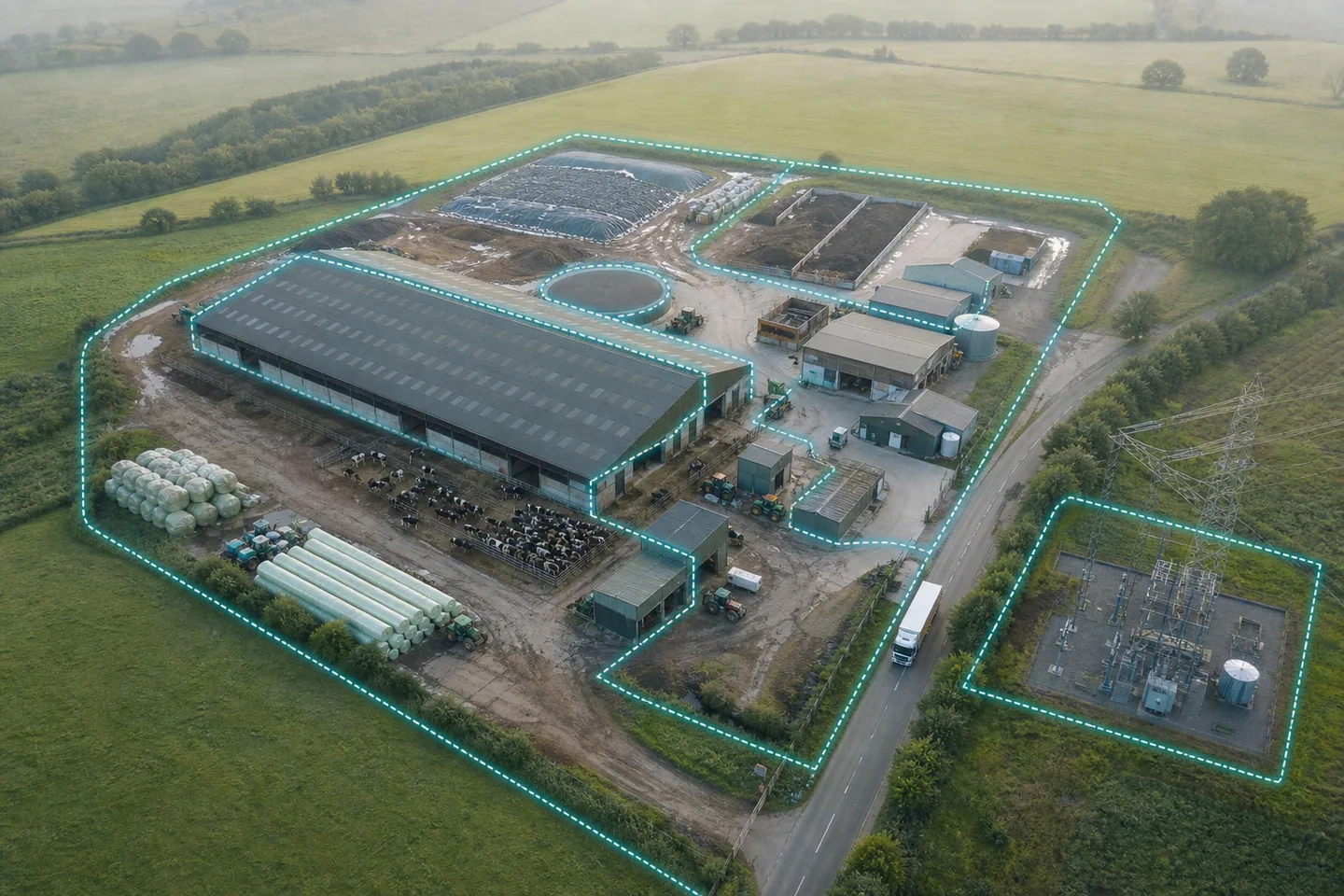
How to set boundaries in livestock farming
Even when looking at one farm, livestock housing, feed storage, manure disposal, boilers and vehicles, and purchased electricity create different data. Facilities and activities over which the farm operator actually controls must be identified and boundaries documented for reporting purposes. Enteric fermentation methane is linked to activity data such as livestock type, feed, productivity, and number of livestock. Concentrations from field sensors are important observations, but they do not themselves translate directly into organization-wide emissions.
After determining the base year and calculation method, change management is required. If the breeding size, facility ownership, emission coefficient, or measurement method changes, you must explain why the comparison with the previous year has changed. When preparing for verification, preserve a bundle of raw data, calibration records, calculations, responsible person approvals, and uncertainty assessments. Expressions that imply ISO certification or conformity when not certified should be avoided.
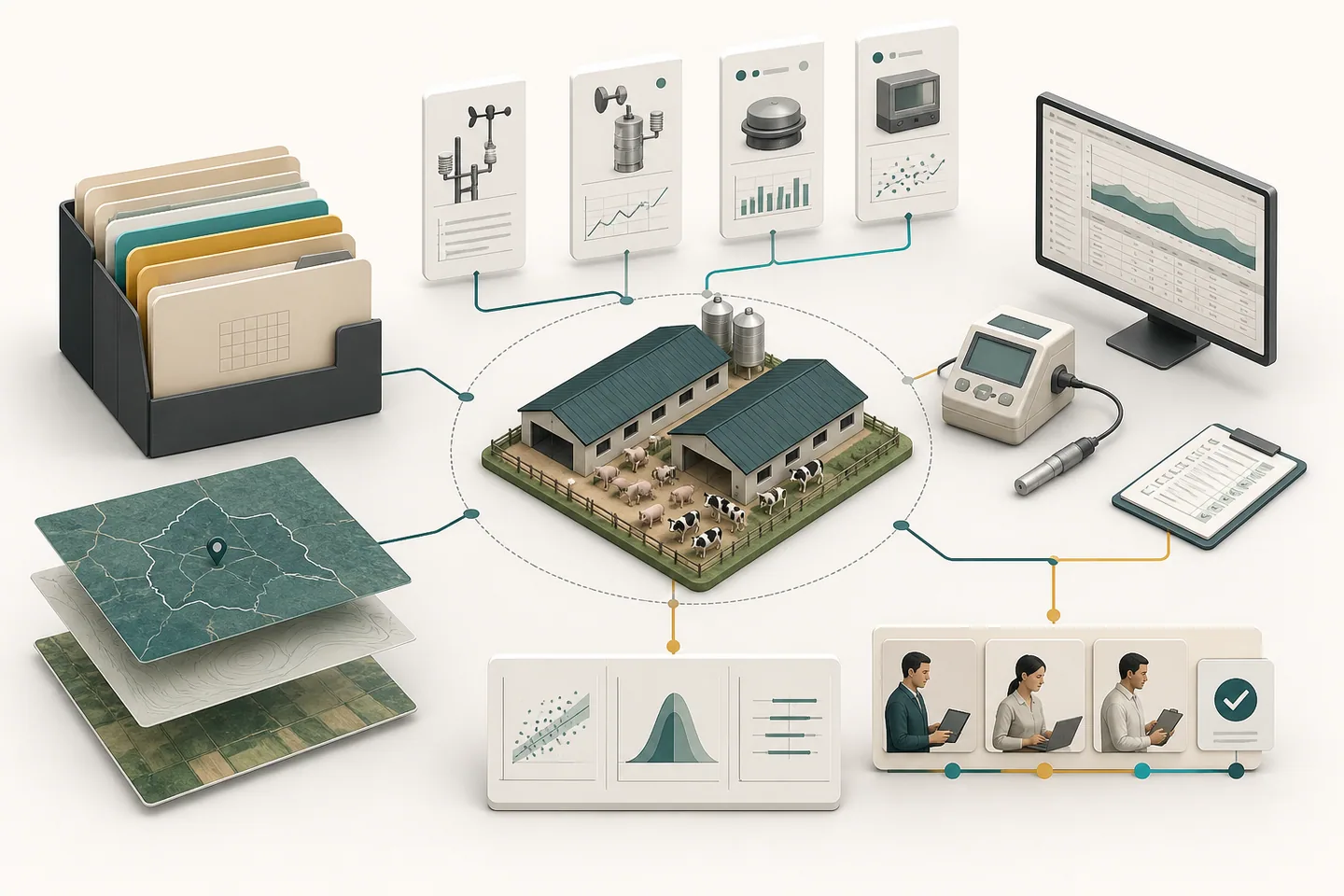
Field application checklist
Document organizational and reporting boundaries, base years, and major sources of emissions.
Distinguish between sensor observations, activity data, emission factors, and calculation results.
Reasons for change, exclusion, and recalculation and uncertainty remain.
FAQ
Is ISO 14064-1 a livestock-specific standard?
no. A greenhouse gas inventory standard applicable to all organizations. Livestock characteristics are specified through supplementary materials such as IPCC guidelines and agricultural sector guidelines.
Can I say I am certified by referring to a standard?
That's not true. Internal management referring to standards and third-party verification/certification must be distinguished, and only the extent to which the actual conformity assessment has been completed must be indicated.
Rationale and Limitations
Reference was made to the public overview of ISO 14064-1:2018, guidance from ISO/TS 14064-4:2025, and livestock emissions guidance from the IPCC 2019 Refinement. Actual inventory and verification scope will vary depending on the organization's operating structure and applicable programs.