
Key takeaways
MRV is a process for measuring and reporting greenhouse gas reduction activities and making them available for review by a third party. If you have carbon emissions rights in mind, you need records that can be checked again under the same conditions rather than good results. Measurement location and period, baseline, device status, missing information, calculation formula, and correction history must be followed to explain the source of the number. The value of an AI-based platform lies in automating this connection and quickly finding suspect areas. However, AI does not determine the amount of reduction or issuance of emission permits on its own.
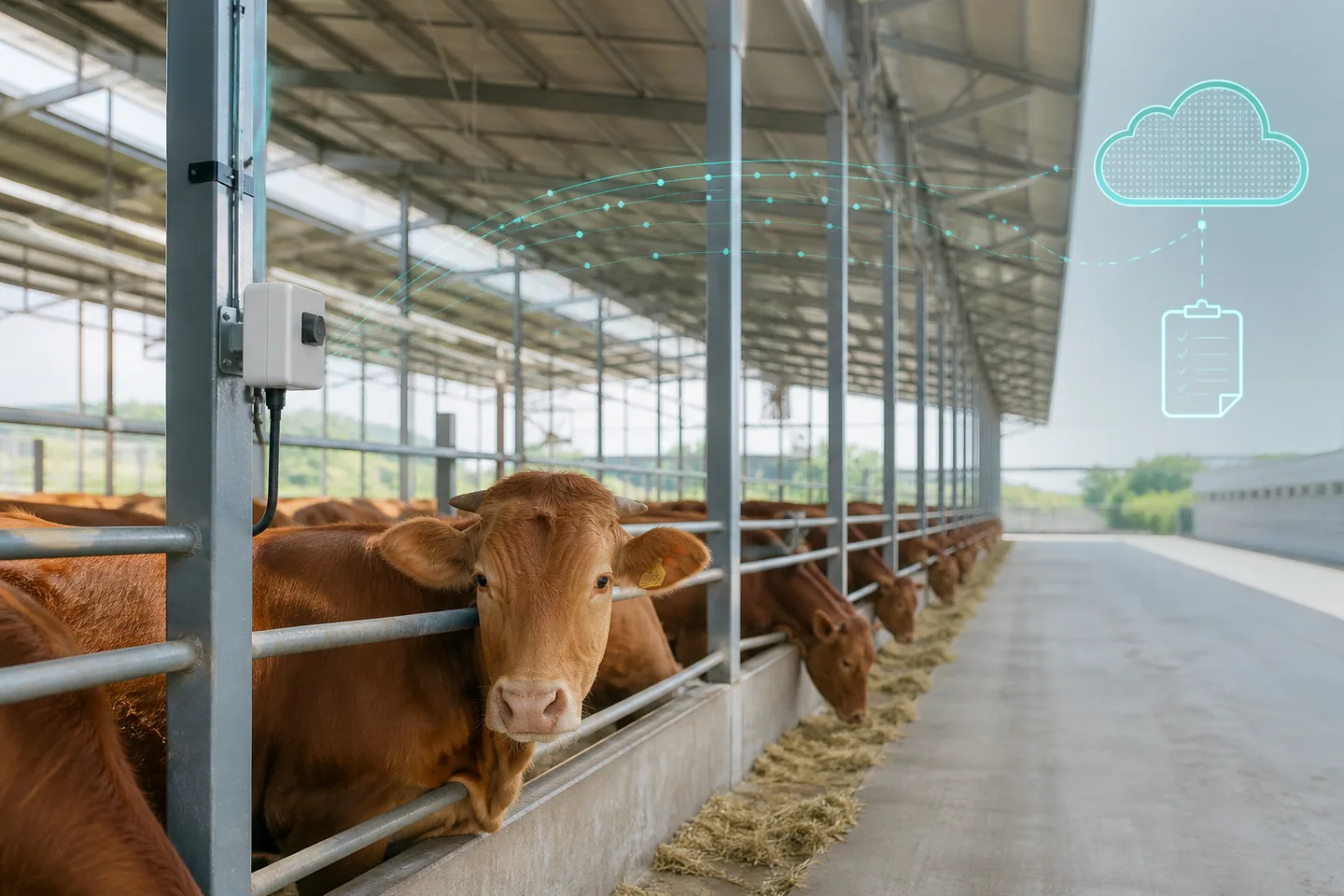
Four things a platform must connect
The first is measurement. Determine what, where, and how often to observe, and manage sensor calibration and time synchronization. The second is reporting. It separates raw data from purified data, emission factors, and calculated versions, leaving the path by which the results were created. Third is review. Excluded values, reasons for modification, and approvers are preserved to show that only favorable data has not been selected. Fourth is permission management. Farm information and raw materials should be opened only to those who need them, and external releases should only include the approved scope.
AI can reveal stationary values, rapid changes, long-term drifts, and intervals in continuous data that are out of sync with other environmental indicators. Operators check field logs and device status to determine whether it is an actual incident or a sensor issue. This human review must be included to ensure that the model's alerts are an auditable record. Although digitization has the potential to reduce costs and time, it cannot omit initial design, methodological suitability, and validation body acceptance.
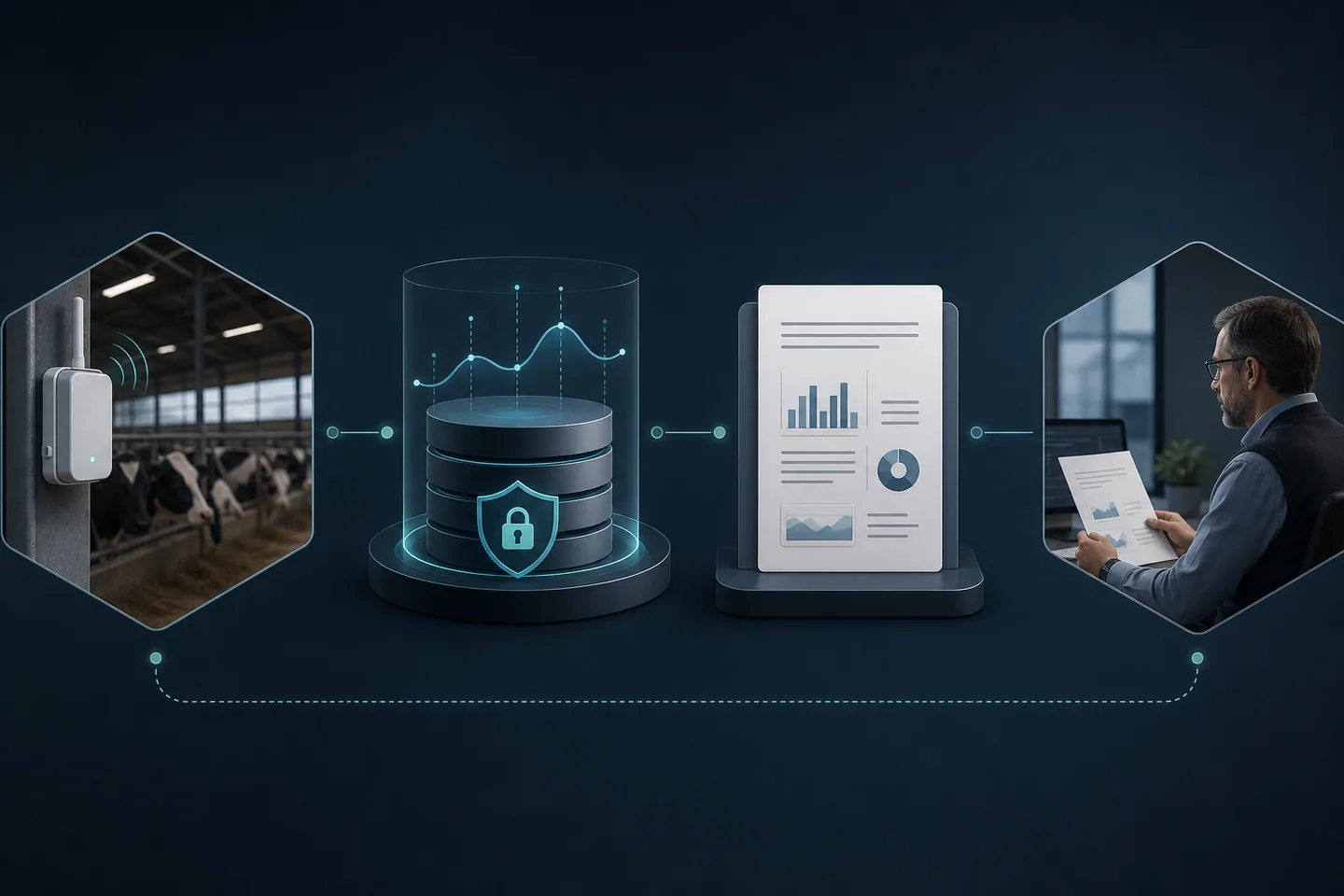
Field application checklist
Document reduction activities and measurement boundaries, baselines, and exclusion rules prior to collection.
Cleaned, calculated, and reported versions are stored separately without overwriting the original data.
AI alerts, human verification results, and public approval history are also left behind.
FAQ
If I create a platform, can I immediately receive a carbon emission certificate?
no. The applicable methodology, program requirements, additionality, baseline, and verification procedures must be met separately. The platform is a tool for managing the evidence needed for the process.
Can AI replace verification agencies?
It doesn't replace it. AI assists with quality checks and review priorities, and final verification is performed in accordance with applicable systems and verification procedures.
Rationale and Limitations
The World Bank describes MRV as a multi-step process in which reductions are measured, reported, and verified by a third party. Digital MRV has the potential to streamline this process, but methodology acceptability, cost, and technical complexity must be weighed together. This article and images illustrate the platform concept and do not claim to issue emissions permits or specific reduction achievements by AI Safety Korea Co., Ltd..