
Key takeaways
Corporate value is determined jointly by the market, technology, organization, finance and regulatory environment. Methane gas measurement accuracy alone does not automatically determine corporate value. However, for companies that place measurement technology at their core, accuracy and traceability directly impact product trust, customer purchasing decisions, reproducibility of research results, and carbon reduction claims and verification costs. Even small errors can overturn the conclusion if the difference between the baseline and after application is of similar magnitude.
How Accuracy Leads to Business Trust
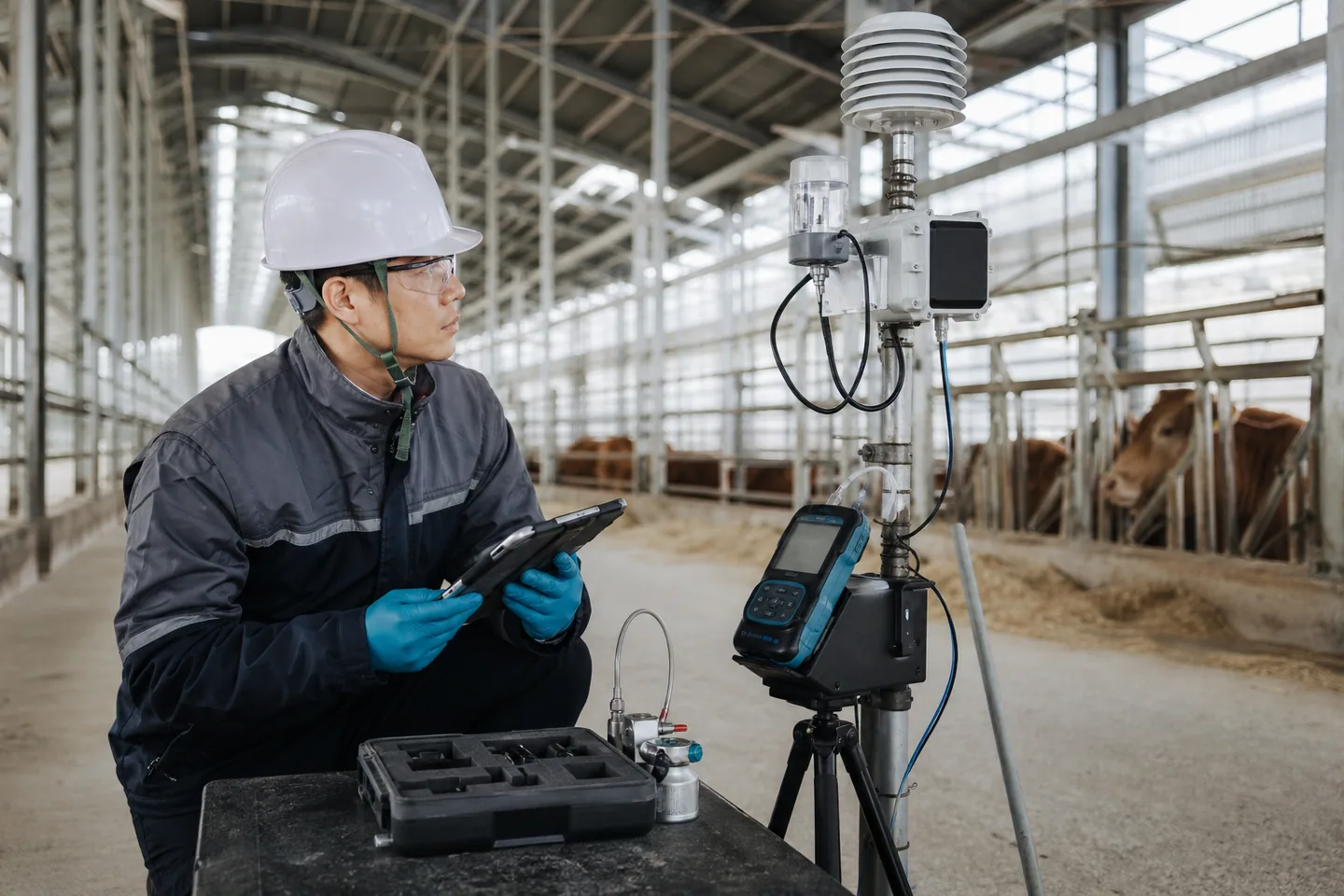
Accuracy is not just a number on a spec sheet. Measurement range, repeatability, response time, cross-sensitivity, temperature and humidity effects, long-term drift and calibration cycle must be considered together. It is also important to ensure that laboratory performance is maintained in a barn environment. Observations may vary depending on installation location, ventilation, dust, moisture, and device maintenance.
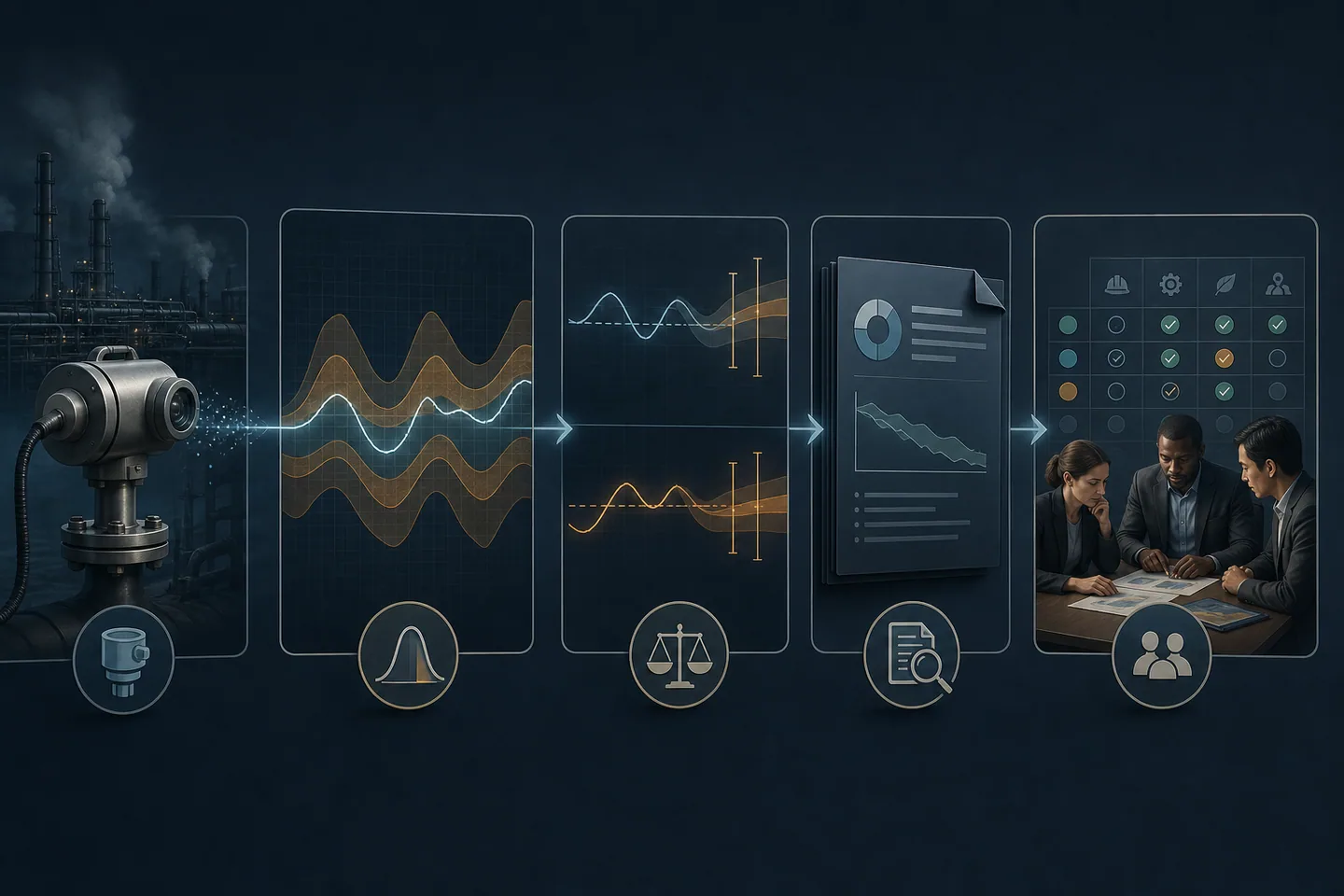
Trustworthy companies don't just offer good prices. Comparison with reference equipment, reasons for omissions and exclusions, uncertainty range, failed tests and improvement history are recorded. These records reduce customer due diligence, joint research and verification response times and reduce the risk of exaggerated performance claims. Conversely, without calibration history and raw data, it is difficult to explain the results even if the product works.
Field application checklist
First determine the measurement range and allowable uncertainty required for the intended use.
Records calibration, coexistence comparisons, environmental impacts, maintenance and device changes.
Missingness, exclusion, and uncertainty are disclosed along with the performance values.
FAQ
Is the sensor with the highest accuracy always best?
It must fit the purpose and environment. In addition to accuracy, range, response time, durability, correctability, maintenance costs and data continuity are also judged.
Is it enough to just disclose accuracy?
no. Test conditions, reference equipment, sample size, uncertainty, calibration date and field conditions must be included to interpret the numbers.
Rationale and Limitations
We referenced US EPA's sensor quality assurance materials and ISO 14064's principles of accuracy and transparency. The title of the text emphasizes the importance of measurement trust to business trust and does not mean that measurement accuracy alone determines actual corporate value or investment results.