
Key takeaways
Digital MRV is not about transferring paper records to a screen. The measurement target and methodology must first be determined, and sensor collection, quality rules, calculation formulas, reports, and verification data must be connected to the same identifier and time axis. Taking a hypothetical livestock methane project as an example, the starting point is to distinguish between farms, livestock farms, equipment, observations, operational events, reduction activities, and reporting periods and define the relationships.
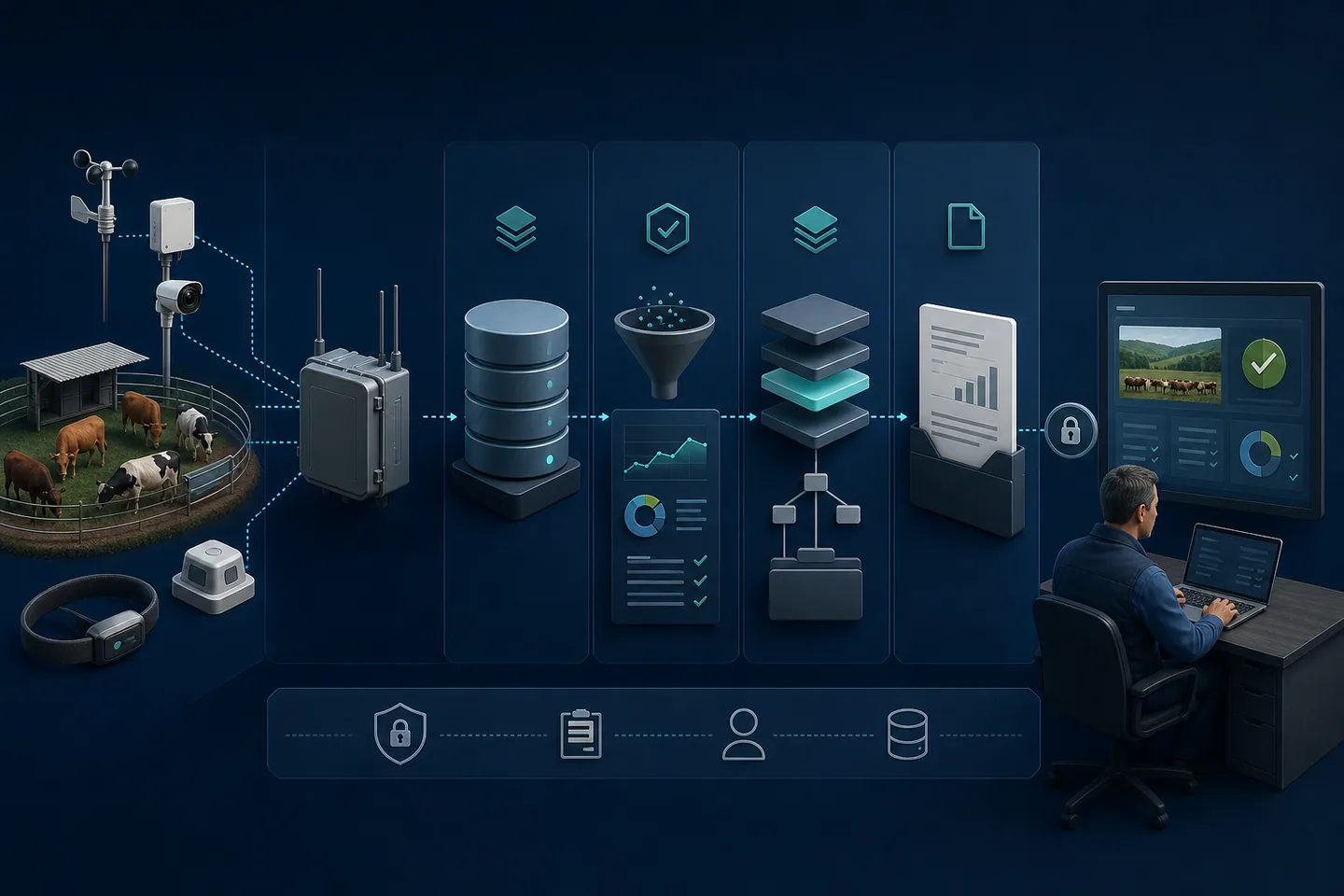
Three Steps in a Virtual Deployment Case
Phase 1 confirms collection stability with one farm and limited units. Ensure connection status, time synchronization, missingness, corrections and field incident recording are maintained properly. In Step 2, you version the baseline and post-apply comparison rules with code and documentation and make the results recalculated. In Step 3, reviewers attach an evidence package, rights management, and approval history that can be traced back to the source material.
Even having real-time screens does not make it a verifiable platform. When data is modified, it must be checked whether the original and reason for change remain, whether before and after device replacement is distinguished, and which input and code version the calculation results came from. Field users need simple incident records and inspection flows, and reviewers need boundaries, methods, uncertainties, exceptions, and approval grounds.
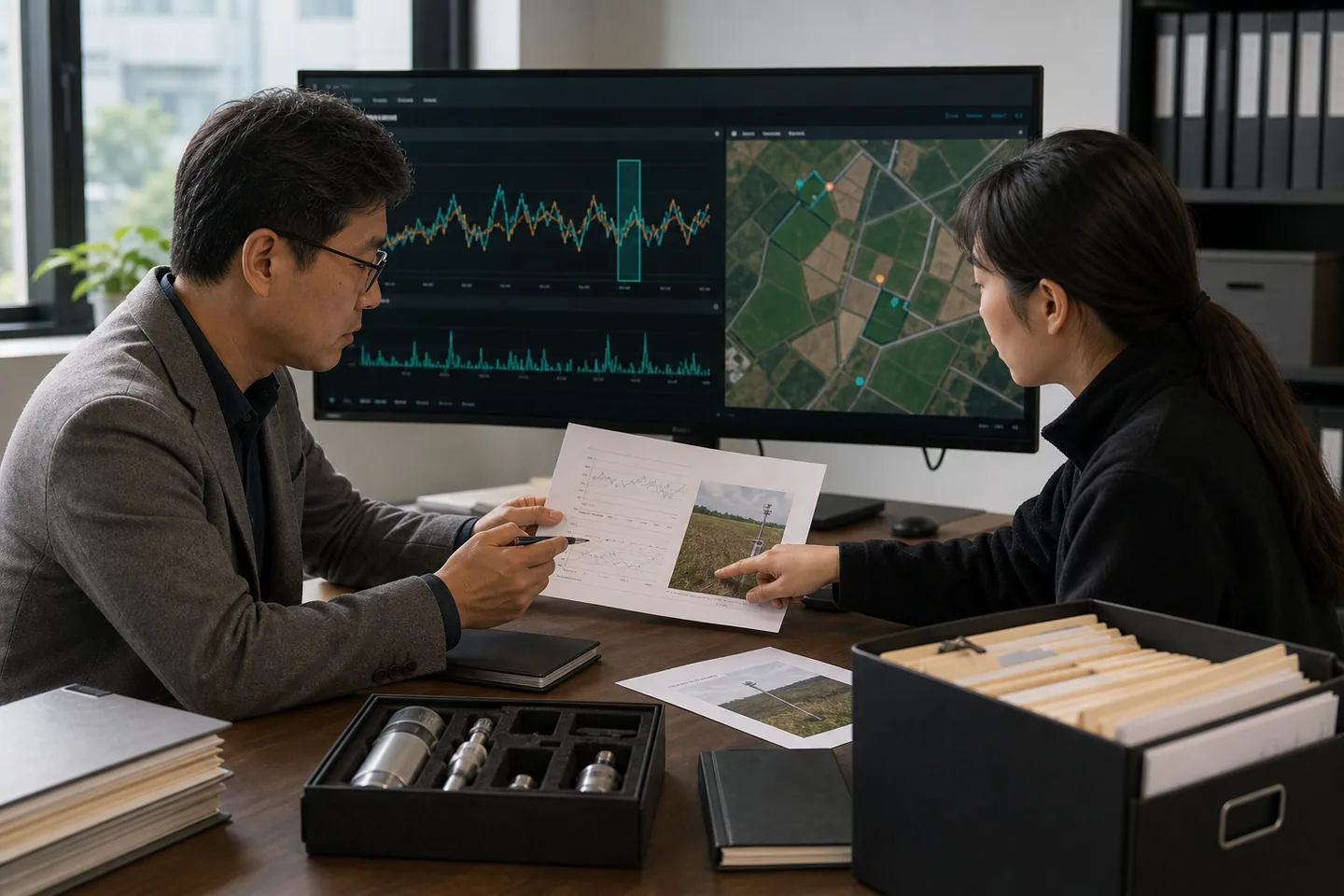
Field application checklist
Decide on the methodology and validation questions first and collect only the data you need.
Links identifiers of farms, devices, observations, events, calculations, and reports.
Verify quality and review flow in a small pilot, then scale up.
FAQ
Is blockchain really necessary?
Not required. First, raw data preservation, access rights, versions, and audit logs must be implemented reliably. Technology selection is based on application program and cost-effectiveness.
Can real-time issuance be automated?
The applied methodology, program, and verification procedures must allow for it. Technically, even though data can be collected quickly, review and approval requirements cannot be bypassed.
Rationale and Limitations
The World Bank's Digital Monitoring, Reporting and Verification Systems paper explains that digitalization should be considered for its initial cost, technical complexity, and methodological suitability, along with its potential to increase efficiency and scalability. This text is a hypothetical construction example based on published general principles and does not refer to AI Safety Korea Co., Ltd.'s emission permit issuance or commercial construction performance.